Reference
Cyber Lexicon+ 2025
A working glossary of cybersecurity terms, acronyms and concepts, with an emphasis on quantum-safe computing, applied cryptography and operational resilience.
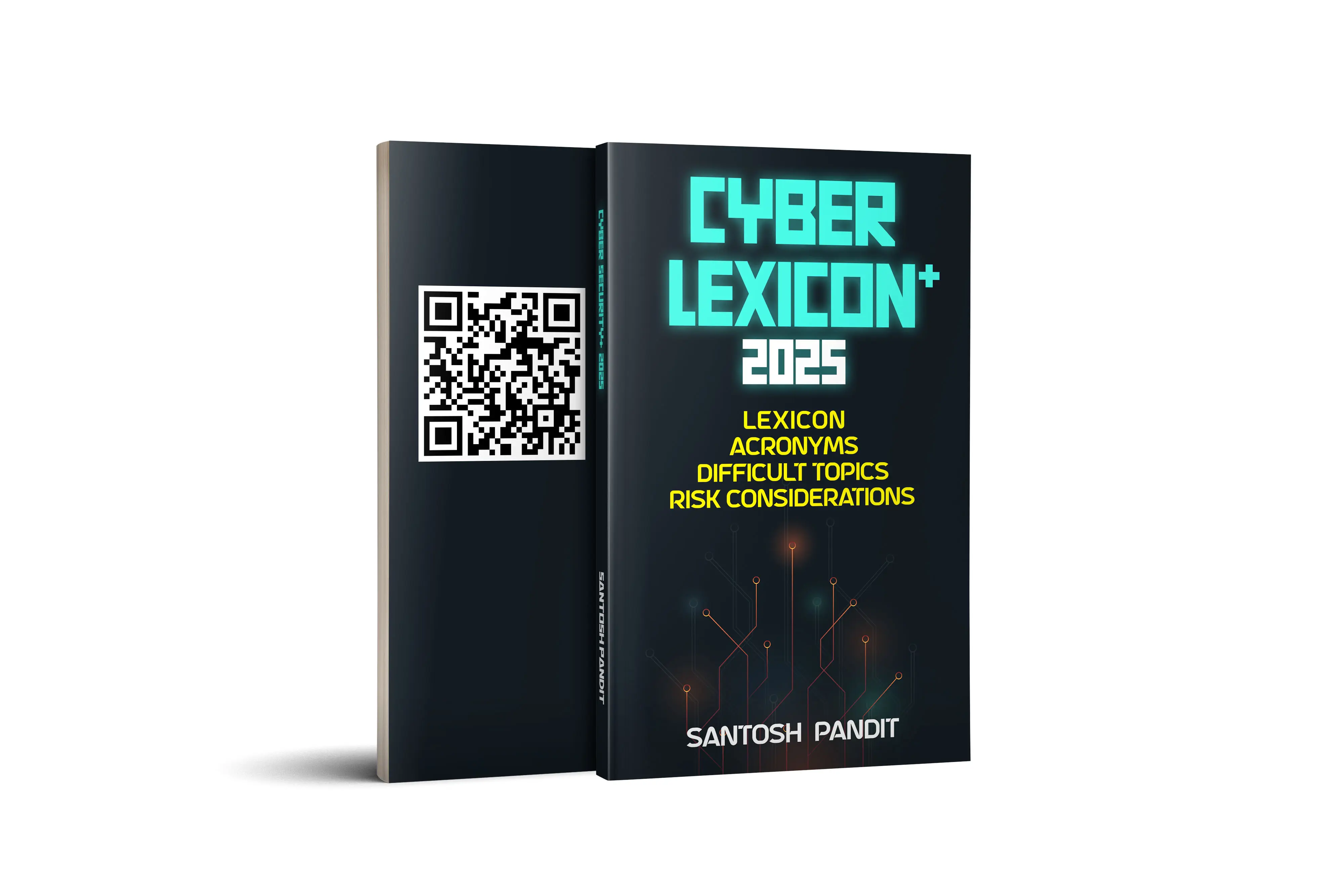
The 2025 edition of Cyber Lexicon+ is now available. Draft reviewed by experts and finalised on 15 September 2025.
Glossary
Applied Cryptography
Cryptography uses mathematical functions to transform data and prevent it from being read or tampered with by unauthorised parties. Applied cryptography focuses on the practical implementation of these techniques in real-world systems.
Crypto-Agility
Crypto-agility describes the capabilities needed to replace and adapt cryptographic algorithms across protocols, applications, software, hardware and infrastructure in response to evolving threats and standards.
DDoS (Distributed Denial of Service)
A denial-of-service technique that uses numerous hosts to perform the attack, overwhelming a target with traffic to disrupt service.
Operational Resilience
The ability of systems to resist, absorb and recover from or adapt to an adverse occurrence during operation that may cause harm, destruction or loss of ability to perform mission-related functions.
Post-Quantum Cryptography (PQC)
The goal of post-quantum cryptography is to develop cryptographic systems that are secure against both quantum and classical computers, and that can interoperate with existing communications protocols and networks.
Quantum-Safe Computing
Quantum-safe cryptography refers to efforts to identify algorithms that are resistant to attacks by both classical and quantum computers.
Shor's Algorithm
A quantum algorithm for finding the prime factors of an integer, developed in 1994 by the American mathematician Peter Shor.
Zero Trust
An evolving set of cybersecurity paradigms that move defences from static, network-based perimeters to focus on users, assets and resources.
For more on secure software practices, see my publication Avoiding Unsafe Software. Explore all my publications for deeper insights.